


Locking into DTLA

Exploring the Colorful Past, Present and Future of DTLA

Downtown Los Angeles (DTLA) is one of LA's most historic and diverse areas, offering a little bit of everything that represents the city. Palm trees sit between the shiny skyscrapers like the Wilshire Grand Hotel and iconic historic buildings like the Biltmore and LA Times building; some of the best tacos at Sonoratown share a zipcode with the tres chic French hotspot Perch; modern architecture and digital signs mix with buildings from the 1800s covered in ghost signs; a neighborhood where The Orpheum can celebrate 100 years with bands and comedians still selling out shows. DTLA has shown that evolution can preserve the character of the past while bringing in the food and culture of the future.
It’s a place where old and new collide. And DTLA has been reinventing itself for nearly 250 years.

THE HISTORY OF DTLA
The city of LA was founded in 1781 by 44 settlers, and Downtown LA (DTLA) was where they started building. About a century later, it grew into the city’s center and is now considered the city’s historic heart.
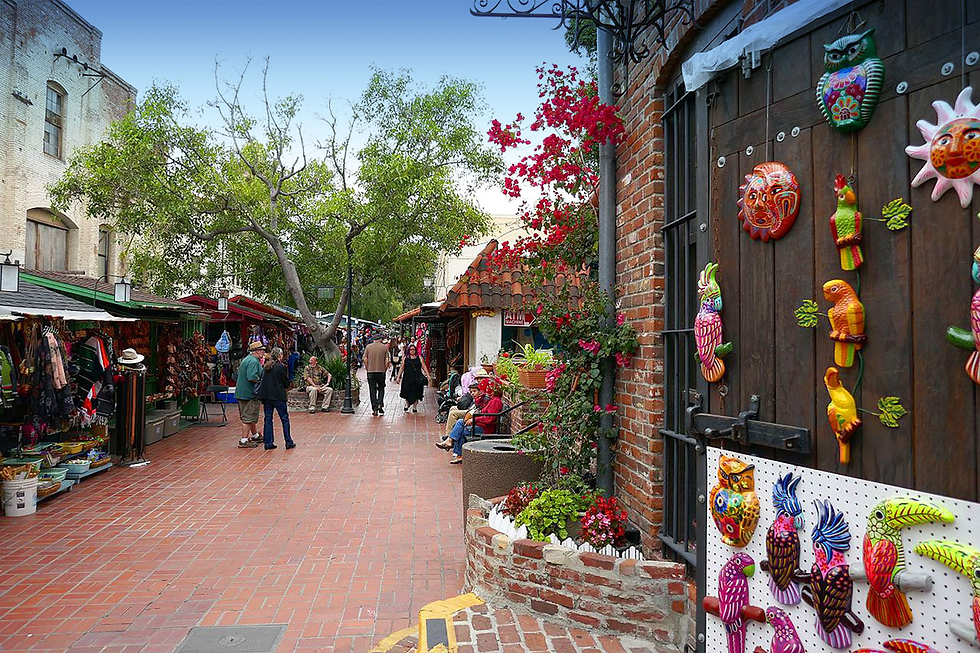
Head to Olvera Street, located within the city’s oldest historic district. This is the oldest block in LA and home to Avila Adobe, the oldest surviving residence built in 1818. There, the street is lined with colorful market stalls, restaurants, and generations-old businesses that reflect Los Angeles’ Mexican roots.
In the early 1900s, long before Hollywood became Hollywood, Broadway was downtown's lifeline, lined with packed theaters, glowing neon marquees, and grand movie palaces. Today, Broadway still holds the largest collection of intact historic movie palaces in the country.
In the 1970s, the entertainment industry began moving farther out as artists moved into empty warehouses east of Alameda, drawn by huge loft spaces and more affordable rent. They created studios, galleries, and live/work lofts in what eventually became the Arts District. In 1981, the city formally legalized artist residences in many of those former industrial buildings.
The Arts District wouldn’t be known as such if these artists didn’t also paint the streets with murals that still exist today. These ever-changing murals and street art became part of the neighborhood and an integral part of how the Arts District developed its identity. That tradition is still visible everywhere from warehouse walls to giant contemporary murals throughout DTLA.
WHY HAND PAINT IS IMPORTANT TO DTLA CULTURE?
That history feels especially relevant to us at Overall. Hand painted signage and murals have long been part of the commercial landscape in DTLA and cities across the country. Before printers and vinyl cutters, businesses used murals and painted billboards to bring color, character, and attention to products and the buildings that house them. The tradition may have evolved, but the core concept hasn’t: hand painting is, and always will be, one of the most direct ways to bring a building to life.
It’s also why hand painted work still makes sense here. In a neighborhood rich with culture, history, art, and architecture that continues to evolve, a mural can bring the creative side of advertising to life in DTLA while staying true to its roots.
WHAT'S HAPPENING TODAY IN DTLA?
More people are living there. Since the late 1990s, its residential population has grown exponentially from under 18,000 to over 90,000, and the DTLA 2040 plan envisions a population of more than 200,000 residents, not including businesses and workers.
In September 2025, Mayor Karen Bass recently gave final approval for the Los Angeles Convention Center modernization. She framed the project as much more than an upgrade to one building, calling it part of “revitalizing the heart of our city” and pointing to its role in bringing tourism, jobs, and more activity back into Downtown.
Other major developments are coming within the next year, such as Fourth & Central near the Arts District, which would add more than 1,500 residences, along with restaurants, shops, and offices. The infamous Erewhon is opening a DTLA location in 2027, which may be one of the more obvious signs that retailers are betting on the neighborhood’s future.
The city is also making it easier to move within these neighborhoods. Metro’s Regional Connector tied together Little Tokyo/Arts District, Historic Broadway, and Grand Avenue Arts/Bunker Hill, making Downtown a much more useful transit hub and a far easier place to explore without a car.
With the 2028 Olympic and Paralympic Games approaching, that connectivity is developing faster and is even more reliable. Downtown will be one of the primary hubs for the Games, while the Convention Center and surrounding public spaces continue to receive major investment.
REASONS TO VISIT DTLA
Besides what’s new, some of the best reasons to visit Downtown have been there for decades. Hidden gems include the unique Apple Store and the Apple Tower Theatre on Broadway, which occupies a beautifully restored 1927 movie palace.
Don’t miss Grand Central Market. Open since 1917, it is still one of the best places to eat your way through the city. Right across the street is Angels Flight, the tiny historic railway that’s been carrying passengers up steep Bunker Hill since 1901. And nearby, The Last Bookstore fills a former bank building, complete with its original vault full of books.

The food scene is just as varied. Notable foodie havens include Bestia, Bavel, Girl & the Goat, and Kato at ROW DTLA, while Philippe The Original has served French dip sandwiches since 1908.

Los Angeles is saturated with culture, and DTLA is no exception. Walt Disney Concert Hall, The Broad, MOCA, and the Music Center anchor the Bunker Hill area. The newly opened DATALAND adds an entirely different kind of museum focused on AI and digital art. Farther south, L.A. LIVE, Crypto.com Arena, and the GRAMMY Museum bring major sports, concerts, and nightlife entertainment to the neighborhood.

And Broadway is still putting on a show. Its historic theaters, including the Orpheum, United Theater, Globe, and Belasco, still command the large audiences heading into downtown.
Then there’s the Fashion District, which never really stopped moving. With roughly 100 blocks of showrooms, wholesalers, fabric stores, flower vendors, and more than 1,000 retailers, this part of DTLA embodies a whole different kind of energy.
The variety of places found within blocks of each other is DTLA’s greatest strength. Within a relatively small area, you have Little Tokyo, Chinatown, the Historic Core, Broadway, the Fashion District, Arts District, South Park, and Bunker Hill. Each neighborhoods holds very different histories that overlap rather than blend into one generic Downtown. LA Tourism describes Downtown as a compact collection of districts, from street art and galleries to historic architecture, shopping and some of the city’s oldest cultural landmarks.

The city is making it easier to move within these neighborhoods too. Metro’s Regional Connector tied together Little Tokyo/Arts District, Historic Broadway and Grand Avenue Arts/Bunker Hill, making Downtown a much more useful transit hub and a far easier place to explore without a car.
With the 2028 Olympic and Paralympic Games approaching, that connectivity is developing faster and is even more reliable. Downtown will be one of the primary hubs for the Games, while the Convention Center and surrounding public spaces continue to receive major investment.
We can’t ignore DTLA's real challenges. Some blocks stay quiet, and homelessness is highly visible due to an uneven recovery. But Downtown has never moved in a straight line, and as the world's needs evolve, so does DTLA.
BE A PART OF DTLA
DTLA is increasingly becoming a compelling place for brands to show up. More people are living Downtown, more visitors are coming through, and new businesses keep investing in the area. The neighborhood is deeply connected to its own visual history, and that is what makes hand painted advertising feel especially at home here.
Murals and signs have been part of DTLA’s streetscape for generations. Today, they give brands a way to become part of that landscape rather than simply appear on it. A hand painted wall can add something to the neighborhood while putting a brand directly into the culture, architecture, and movement of Downtown.
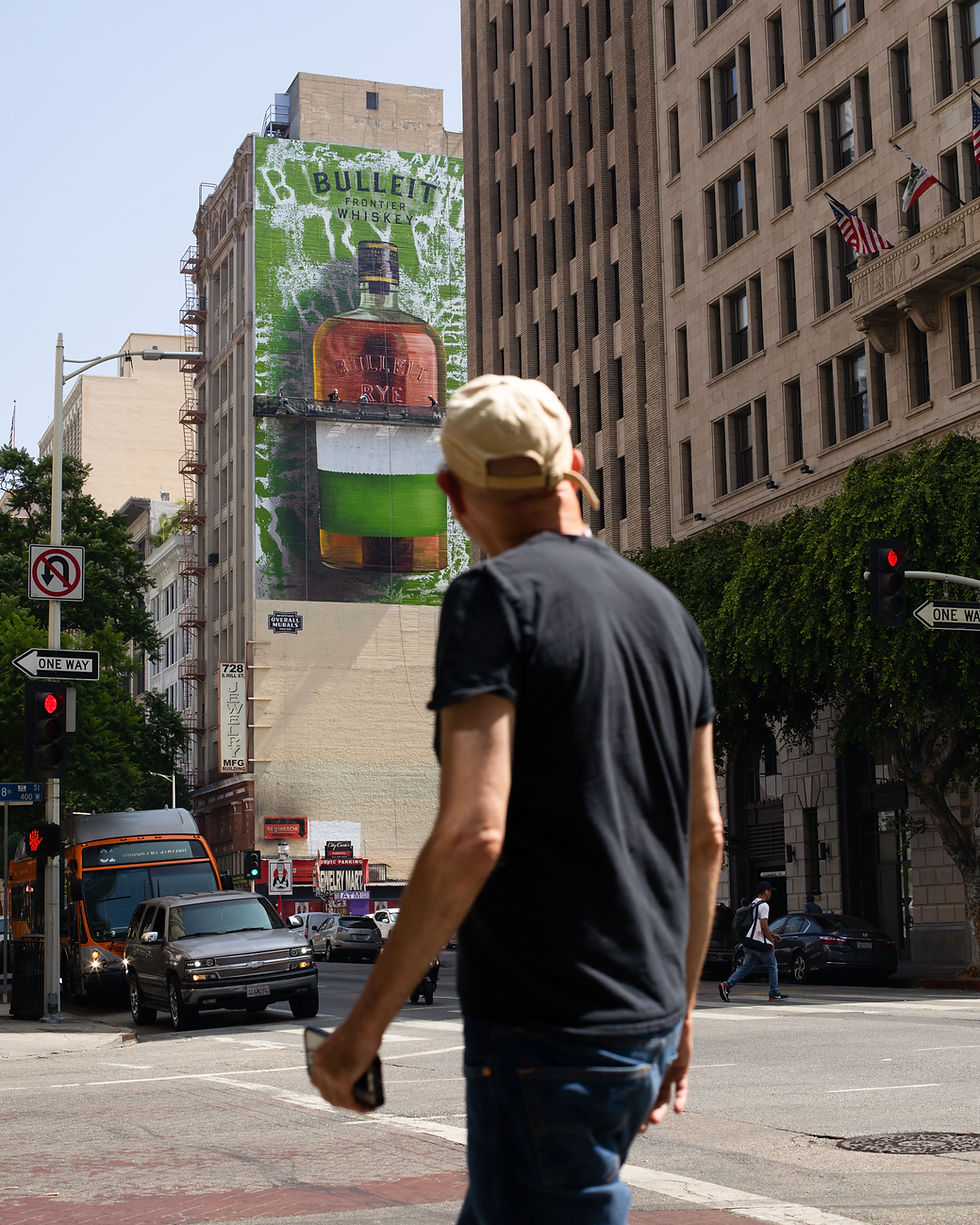
That’s what we do at Overall: turn the walls that make DTLA recognizable into something people notice and share. We keep the heart of DTLA beating, one hand painted mural at a time.


